The beneficiary no longer sees the worker, animal, neighborhood, ecosystem, or future person carrying the cost.
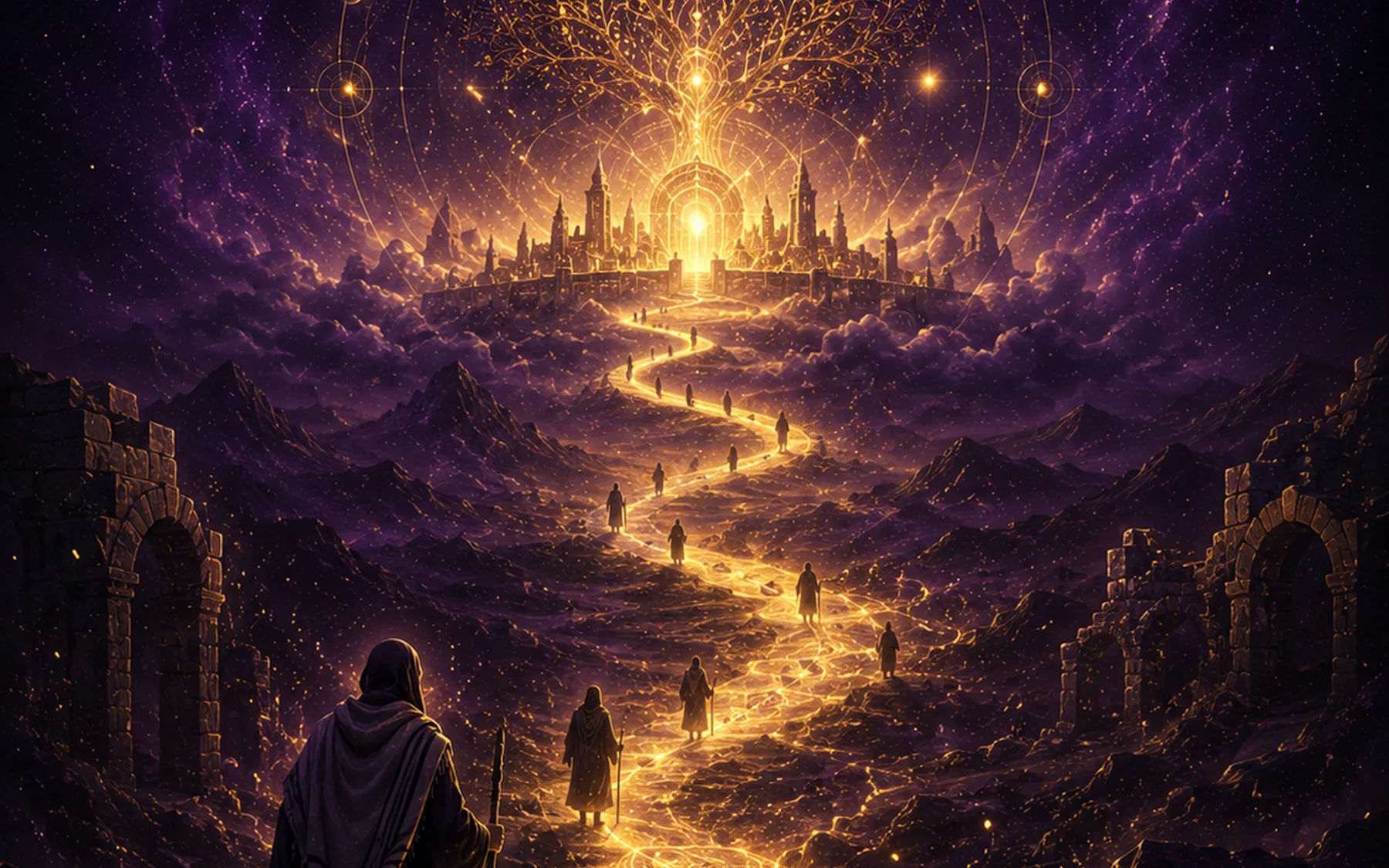
Two directions for collective power
Babylon&Zion
Every society directs human attention, labor, wealth, technology, fear, imagination, and time somewhere. Dreamism calls one direction Babylon: life organized for extraction and control. It calls the other Zion: power reorganized around dignity, participation, creativity, belonging, and repair.
What is taken?
Follow the flow of power
What is made possible?
BABYLON
Not two tribes
Babylon and Zion are directions a system can move.
A government, family, religion, business, movement, or technology can contain both currents. Names, symbols, and stated ideals do not settle the question. The revealing question is functional: where do authority, benefit, risk, sacrifice, knowledge, and consequence actually go?
Babylon moves value upward while sending vulnerability downward. Zion distributes the conditions people need to become more fully alive. Neither direction exists only “out there.” Both can move through institutions and through the habits of individual souls.
ZION
The civilizational ledger
Look at what a system consumes—and what it leaves behind.
Domain
When Babylon leads
When Zion leads
Power
Authority protects itself, hides consequences, and treats correction as disloyalty.
Authority becomes stewardship, remains answerable, and can be revised by those affected.
Work
Human time and health are reduced to costs while reward and control concentrate elsewhere.
Labor supports a life, shares meaningful benefit, and leaves room for family, rest, art, and sacred time.
Attention
Fear, humiliation, outrage, addiction, and comparison are engineered because captured attention can be sold or governed.
Information strengthens judgment, relationship, memory, creativity, and the ability to participate consciously.
Technology
Innovation perfects surveillance, manipulation, disposability, dependence, and distance from consequence.
Tools reduce suffering, expand access, distribute knowledge, protect privacy, and free life from needless danger.
Creation
Land, animals, bodies, culture, and future generations become raw material for present appetite.
The living world is treated as a shared inheritance whose flourishing carries moral weight.
How Babylon sustains itself
It does not survive through cruelty alone. It survives by teaching cruelty to feel normal.
Babylon becomes durable when extraction disappears into routine. Harm is divided among departments, platforms, laws, markets, customs, and private choices until no single person feels responsible for the whole machine.
Living beings become numbers, data points, demographics, units, audiences, labor pools, or acceptable losses.
A repeated arrangement is presented as natural law: nothing else could work, everyone behaves this way, and resistance is childish.
People are isolated from one another so private exhaustion never becomes shared recognition or coordinated change.
The deepest Babylonian spell is not “evil is good.” It is “this is simply how reality works.”
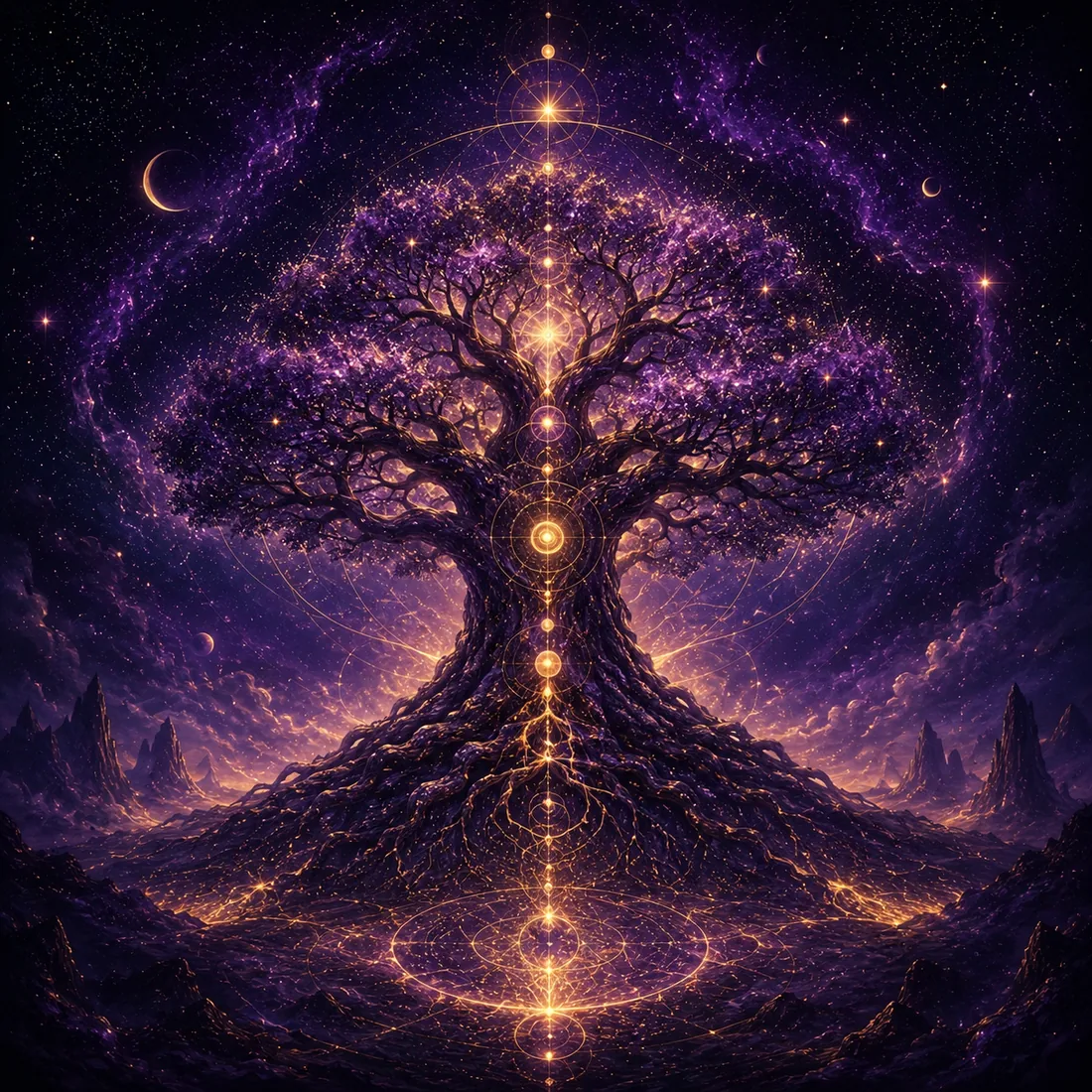
Zion made visible
Zion is not perfection. It is a change in what civilization is organized to protect.
Zion does not eliminate conflict, scarcity, grief, error, or difference. It changes the moral center of collective life. Human beings are no longer treated primarily as workers, consumers, voters, followers, data sources, or obstacles. They are souls whose freedom and development matter.
In Jewish tradition, Zion carries Jerusalem, homecoming, sacred longing, peoplehood, and redemption. Dreamism receives that inheritance as a symbol of divine possibility entering social form: the World to Come rehearsed through present institutions rather than postponed to a distant age.
A Zion-oriented society protects room for rest, relationship, learning, ritual, celebration, grief, beauty, privacy, meaningful work, and participation in decisions that shape one’s life.
Collective intention
What a culture repeatedly attends to becomes easier to build.
Stories define what appears possible.
→
Attention gives those stories force.
→
Institutions turn force into recurring conditions.
→
Those conditions shape the next generation of souls.
This is why culture is not decoration around politics and economics. Images, myths, jokes, advertising, education, ritual, celebrity, news, architecture, and technology all participate in deciding what a society learns to desire—and whose suffering it learns not to see.
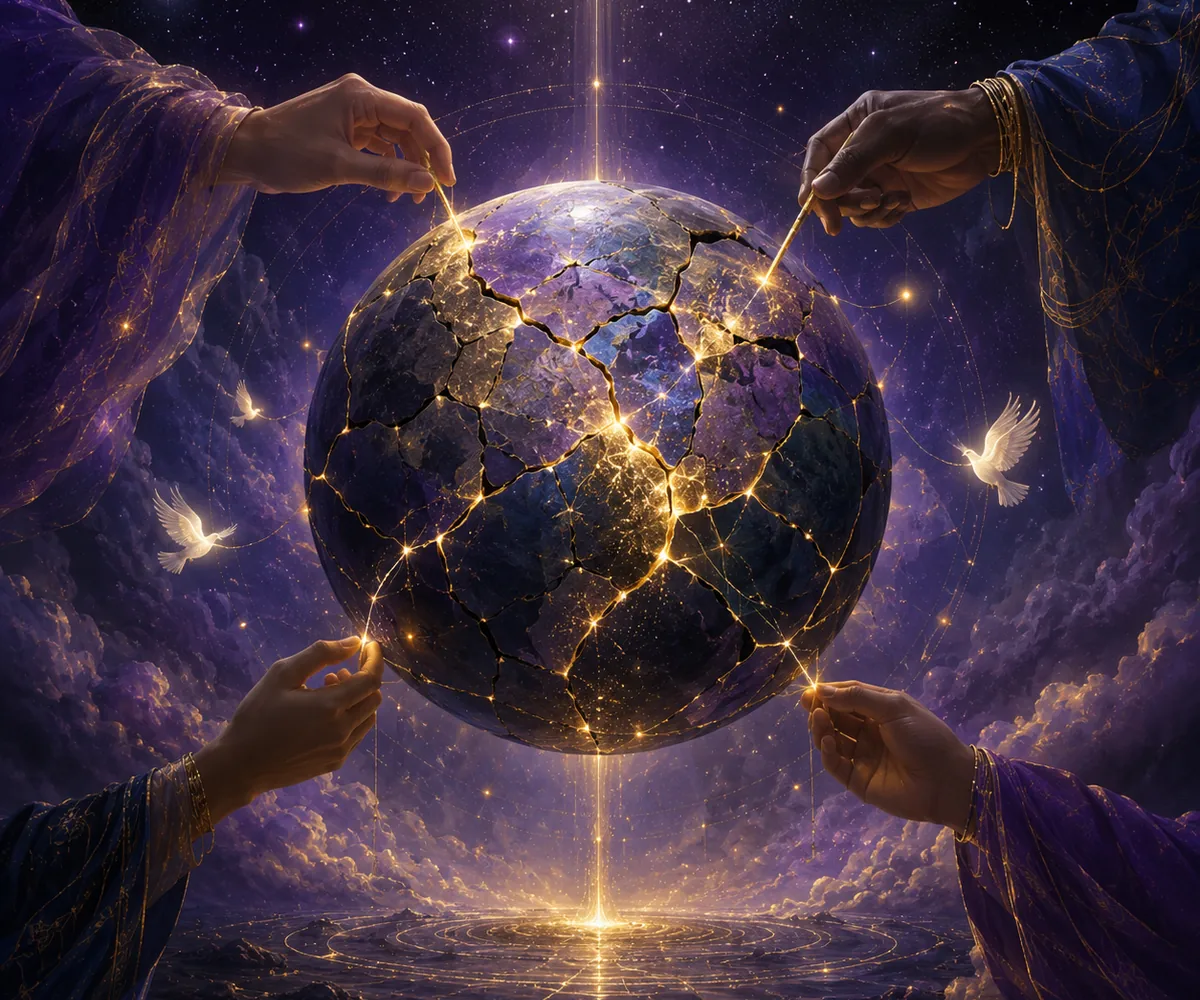
Diagnosis must become repair
Naming Babylon is only useful if it changes what we build.
This page identifies the direction of collective power. Tikkun Olam asks what comes next: how immediate care, relational repair, local cooperation, structural change, ecological responsibility, and spiritual practice can work at the same time.
Zion cannot be declared into existence. It must be practiced in the distribution of time, safety, knowledge, authority, beauty, and belonging.