Non-Harming
Refuse unnecessary cruelty and examine the harm your choices create. Non-harming is not passive innocence; protection may require boundaries, confrontation, or proportionate force.
Belief must become conduct
Dreamism is measured by what intention becomes when it touches another life. The core principles give spiritual power an ethical direction so that magic, creativity, freedom, and growth move toward dignity, freedom, and repair.
Every choice strengthens a current inside the Divine Dream. The principles help us decide which current we are feeding.
The ethical center
Words can encourage or humiliate. Art can awaken compassion or glamorize cruelty. Ritual can focus a soul or become a tool of manipulation. Collective attention can create community, manufacture celebrity, destroy a reputation, normalize injustice, or raise a person into possibility.
Dreamism joins magic to responsibility. The stronger our ability to influence the Dream becomes, the more carefully we must consider the reality we are helping create.
The mystical path becomes trustworthy when its beauty can be seen in character: honesty, compassion, courage, restraint, accountability, service, and the willingness to repair what we have harmed.
The Dreamist ethical compass
Each principle asks how intention, power, relationship, and consequence meet in ordinary life. Together they strengthen judgment and keep the path pointed toward dignity, growth, and repair.
Refuse unnecessary cruelty and examine the harm your choices create. Non-harming is not passive innocence; protection may require boundaries, confrontation, or proportionate force.
Recognize the divine spark in another being without pretending every behavior is acceptable. Kindness may be gentle, firm, patient, protective, or willing to interrupt destruction.
Words help manufacture reality. Resist lies, omissions, exaggeration, false certainty, and stories designed to manipulate. Speak truth with timing, tact, privacy, and dignity.
Ask who has choices, who bears risk, who receives reward, whose labor is hidden, and whose voice is missing. Mercy tends a wound; justice asks why the wound keeps being inflicted.
Human beings, animals, plants, ecosystems, and forms of consciousness we may not yet understand all participate in the unfolding whole. Difference is not permission for limitless cruelty.
Possession does not equal moral permission. Land, water, bodies, homes, knowledge, businesses, traditions, communities, and the future are entrusted to us through responsibility.
Mutual aid, transparency, healthy boundaries, conflict resolution, and shared responsibility allow individual souls to remain distinct while combining their intention toward common good.
Food, media, substances, technology, clothing, information, entertainment, and attention shape both the inner and outer Dream. The goal is conscious freedom, balance, and a more deliberate relationship with appetite.
Spiritual maturity becomes visible in how we receive correction, use power, and recover from failure. Mystical vocabulary, sacred objects, meditation, and synchronicities gain meaning through the character they help form.
Bring the inner intention and outer form into alignment. Integrity includes honest failure, freedom from the performance of perfection, and the responsibility to repair.

Ethics as magical practice
A single intention may alter one moment. A repeated intention carves a path through the soul. Over time, choices become habits, habits become character, and character determines the kind of presence we carry into every room.
This is one of the deepest forms of magic in Dreamism: the slow transformation of the person who is doing the intending.
We decide what quality, action, relationship, or future we are trying to strengthen.
A principle becomes real through speech, boundaries, ritual, work, money, food, art, service, and relationship.
What we repeatedly practice becomes easier to embody when pressure, fear, anger, or temptation arrives.
When we fail, confession, restitution, changed behavior, and renewed practice redirect the intention back toward life.
Mussar and the formation of the soul
Dreamism draws from Mussar, the Jewish tradition of ethical and spiritual refinement. Mussar begins from a practical truth: most failure is not caused by a total absence of knowledge. We often know better and still repeat the same pattern.
The middot—qualities such as patience, humility, courage, generosity, restraint, and truth—must therefore be observed, balanced, and trained. No trait is holy merely because it is maximized. Too little patience becomes reactivity; too much can become passivity. Too little humility becomes arrogance; too much can erase the self.
Journaling, honest accounting, prayer, feedback, specific exercises, and daily remembrance help reshape the vessel through which intention enters the world.
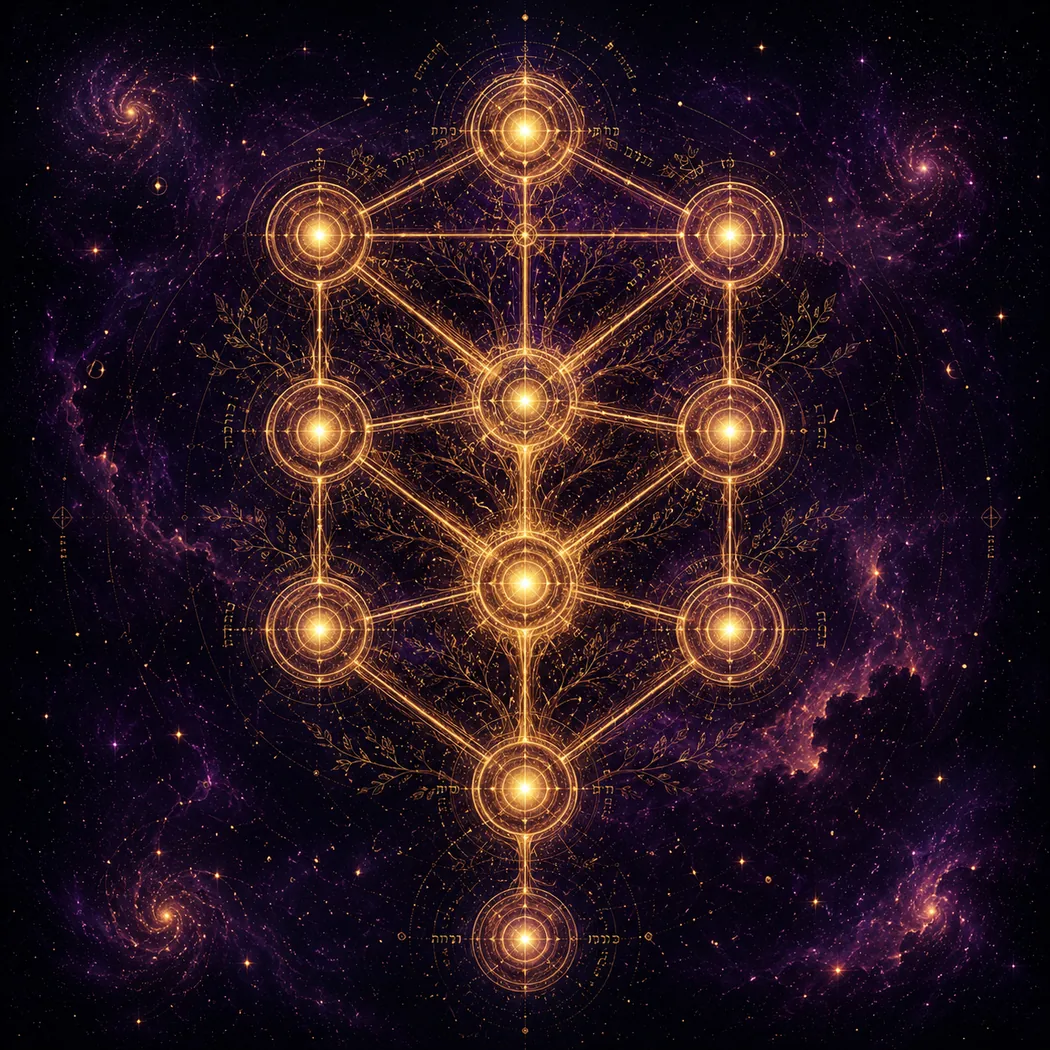
Compass, not cage
Truthfulness and kindness can conflict. Non-harming and justice may demand different responses. Loyalty can protect a community or conceal abuse. Compassion can heal, but without boundaries it can enable destruction.
Dreamism meets these tensions through honest responsibility and careful attention to the full shape of the situation.
Look beneath the noble explanation. Am I protecting, controlling, avoiding, punishing, seeking approval, or genuinely trying to repair?
The same action changes meaning depending on vulnerability, authority, resources, consent, history, and who must bear the consequences.
Good motives remain accountable to foreseeable harm. Consider the likely effects on people, relationships, institutions, animals, and the future.
Different mistakes and dangers require different responses. Seek the response that protects life, preserves accountability, and avoids unnecessary cruelty.
Notice hidden labor, convenient silence, selective memory, spiritual ego, personal appetite, and the perspectives absent from the room.
Repair may involve apology, restitution, changed behavior, boundaries, accountability, service, or rebuilding trust slowly through repeated action.

From private intention to collective reality
Institutions are repeated choices given structure. Cultures are stories, habits, rewards, punishments, symbols, and expectations held by many people at once. When enough minds repeat the same reality, it begins to feel inevitable.
Babylon is strengthened whenever cruelty becomes normal, truth becomes inconvenient, attention becomes a commodity, and people or ecosystems become disposable. Zion is rehearsed whenever dignity, cooperation, stewardship, creativity, freedom, and care become organized into daily life.
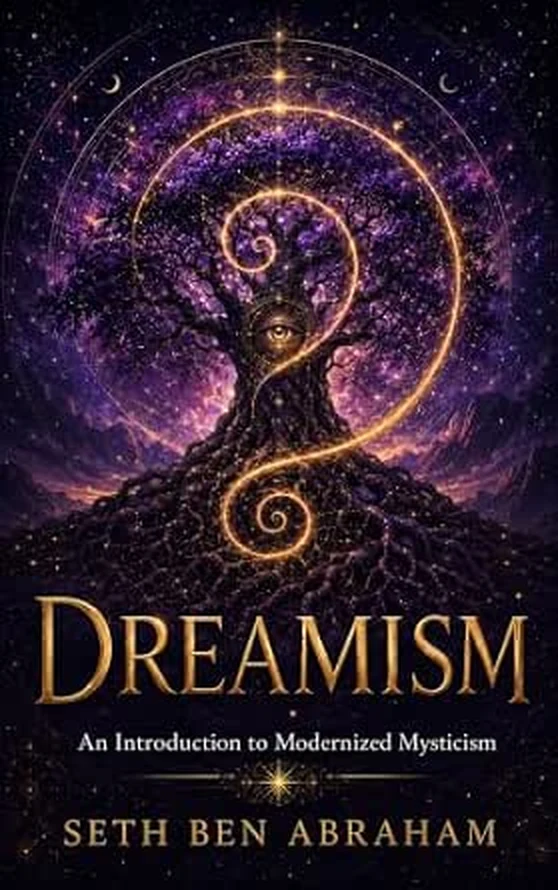
The principles in their full context
Dreamism: An Introduction to Modernized Mysticism develops these principles alongside consciousness, intention, magic, ritual, Order and Chaos, synchronicity, Babylon and Zion, the soul’s journey, future humanity, and Tikkun Olam.
The principles are not isolated rules. They are the ethical direction of the entire system: the way spiritual power, creativity, freedom, and collective intention are guided toward dignity, growth, and repair.