Will
The silent desire that something should exist. Before a plan, image, or word appears, there is a movement toward being: a calling, a need, a sacred “yes” not yet understood.
How hidden possibility becomes a lived world
Dreamism understands consciousness as an active presence within a living universe. Conscious beings arise within the Divine Dream as centers of experience, interpretation, and creation. The central question is how the inward becomes outward—how will becomes vision, vision becomes form, and form becomes consequence.
Before anything becomes visible, something has already moved in hiddenness.
The mystery before form
Jewish mysticism speaks of Ein Sof, the Infinite beyond every image and limit. Dreamism approaches G-d as the Divine Dreamer within whom reality unfolds. Matter, mind, possibility, and relationship belong to one sacred interior, arising as distinct expressions within a living creation.
Tzimtzum names the mystery of divine self-concealment—the making of room for distinction, freedom, and worlds that do not experience themselves as swallowed by infinity. Within that apparent space, creation can become genuinely many while remaining held within the One.
The Sefirot describe what happens next: the movement from unformed divine possibility toward a reality that can be touched, inhabited, changed, and repaired.
From Will to World
The Tree of Life can be studied through divine names, biblical figures, colors, planets, virtues, body correspondences, and many other layers. Here, the emphasis is functional: each Sefirah marks a transformation in the journey from hidden impulse to embodied consequence.
The silent desire that something should exist. Before a plan, image, or word appears, there is a movement toward being: a calling, a need, a sacred “yes” not yet understood.
The sudden flash before boundaries arrive: the whole idea at once, brilliant and unfinished.
The flash is examined, named, developed, and given a form capable of entering time.
Generosity, mercy, abundance, and the force that gives possibility room to grow.
Discipline, judgment, definition, and the necessary limit that prevents expansion from becoming harm.
Compassion and truth bring love and restraint into harmony around one worthy purpose.
The power to carry the vision through resistance, boredom, failure, and time.
Humility, listening, revision, and the wisdom to yield when force would distort the work.
The higher movements gather into a coherent pattern that can cross from inner reality into expression.
The house is built, the song is heard, the promise is kept, the meal is served, and intention enters bodies, relationships, institutions, and history.
The current reaches fulfillment through embodiment. The spiritual descends into the material, where intention becomes lived reality.
The same movement occurs within us
It begins in Keter as the desire that this person should not feel abandoned. Chokhmah offers an image: perhaps a candle beside a bowl of water. Binah develops the sequence, words, place, and time.
Chesed welcomes emotion without limit; Gevurah protects privacy and creates a clear beginning and ending. Tiferet holds tenderness together with truth. Netzach ensures that care continues after the ceremony. Hod listens to what the grieving person actually needs instead of imposing a performance.
Yesod gathers the people, symbols, memory, food, language, and intention into one coherent vessel. Malkhut is the evening itself: bodies in a room, a flame burning, a name spoken, a meal delivered, and loneliness interrupted.
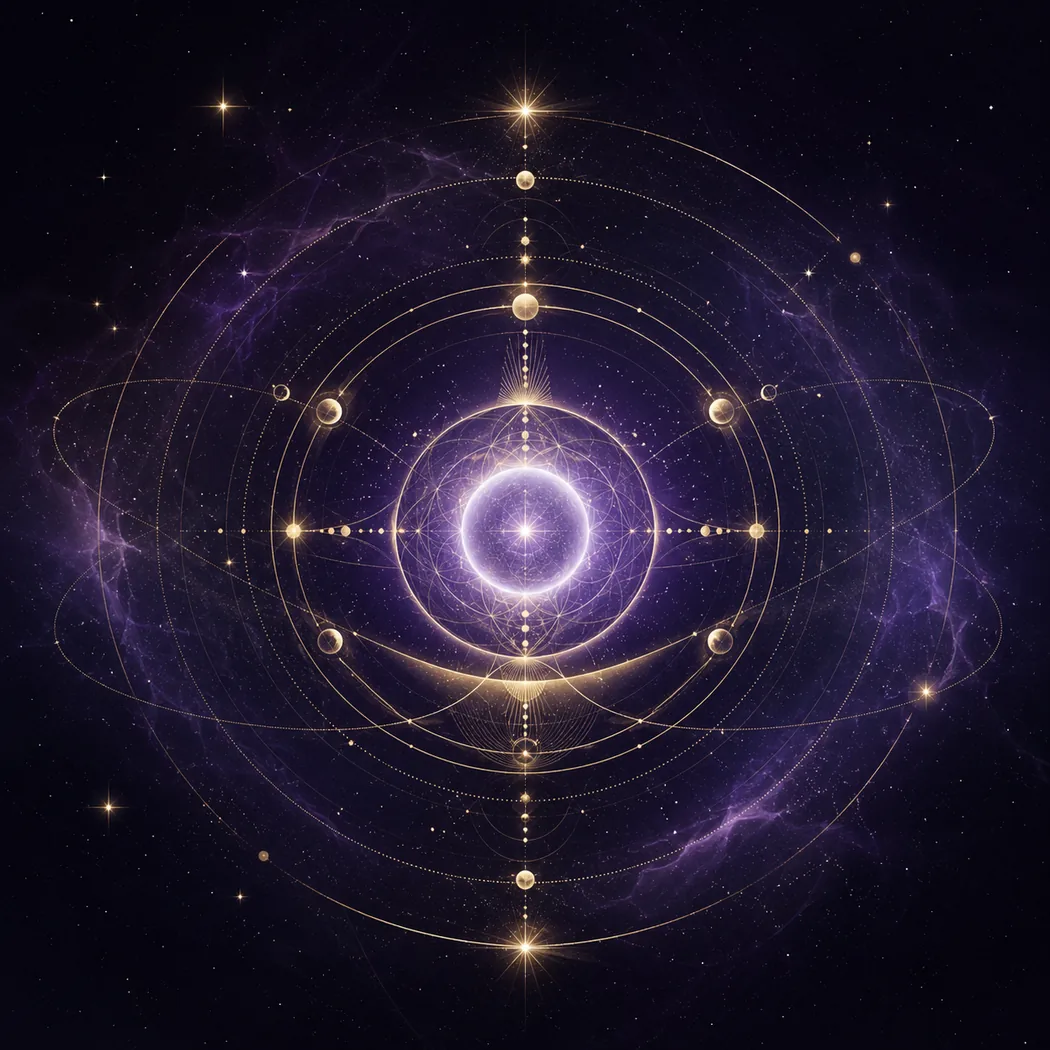
Matter is where spirit becomes lived
Dreamism regards the material world as sacred ground. Bodies, meals, homes, laws, tools, ecosystems, and communities are where invisible values become conditions that people must actually live inside.
A compassionate thought that never becomes care feeds no one. A vision of justice that never enters policy protects no one. Love that never becomes attention, labor, truth, or presence may remain beautiful, but it remains incomplete.
Consciousness matters as part of a larger living reality. The inner world is a beginning. Malkhut asks what the beginning becomes.
The soul inside the current
A soul participates from within a reality already shaped by nature, history, other beings, inherited systems, chance, freedom, and limits. Within those conditions, every consciousness contributes to what happens next.
Every life begins inside conditions it did not choose: a body, a family, a language, a place, a history, and a field of consequences already in motion.
Consciousness receives events and transforms them into meaning. It remembers, imagines alternatives, notices patterns, and decides what deserves attention.
What forms within us moves outward through words, silence, art, labor, technology, intimacy, ritual, institutions, and the treatment of other beings.
Our choices enter the worlds other people inherit. Participation becomes responsibility because private intention eventually acquires public form.
The next boundary
Is consciousness fundamental to reality or emergent within it? Does the language of the Divine Dream describe literal metaphysics, sacred interpretation, or both? How should mystical conviction relate to neuroscience, physics, psychology, anomalous experience, and the limits of evidence?
This page names the Dreamist architecture. The next page explores how wonder and intellectual honesty can deepen one another—and how reason can investigate reality while remaining open to mystery.