Home Philosophy Soul & World to Come

The traveler within the Divine Dream

Soul & World to Come

Dreamism teaches that the soul is the deepest center of what we are: a distinct expression of divine consciousness that enters embodied life, develops through experience and choice, and continues when the body can no longer carry it.

The body is a vessel. The personality is a temporary interface. The soul is the traveler who gathers meaning through them.

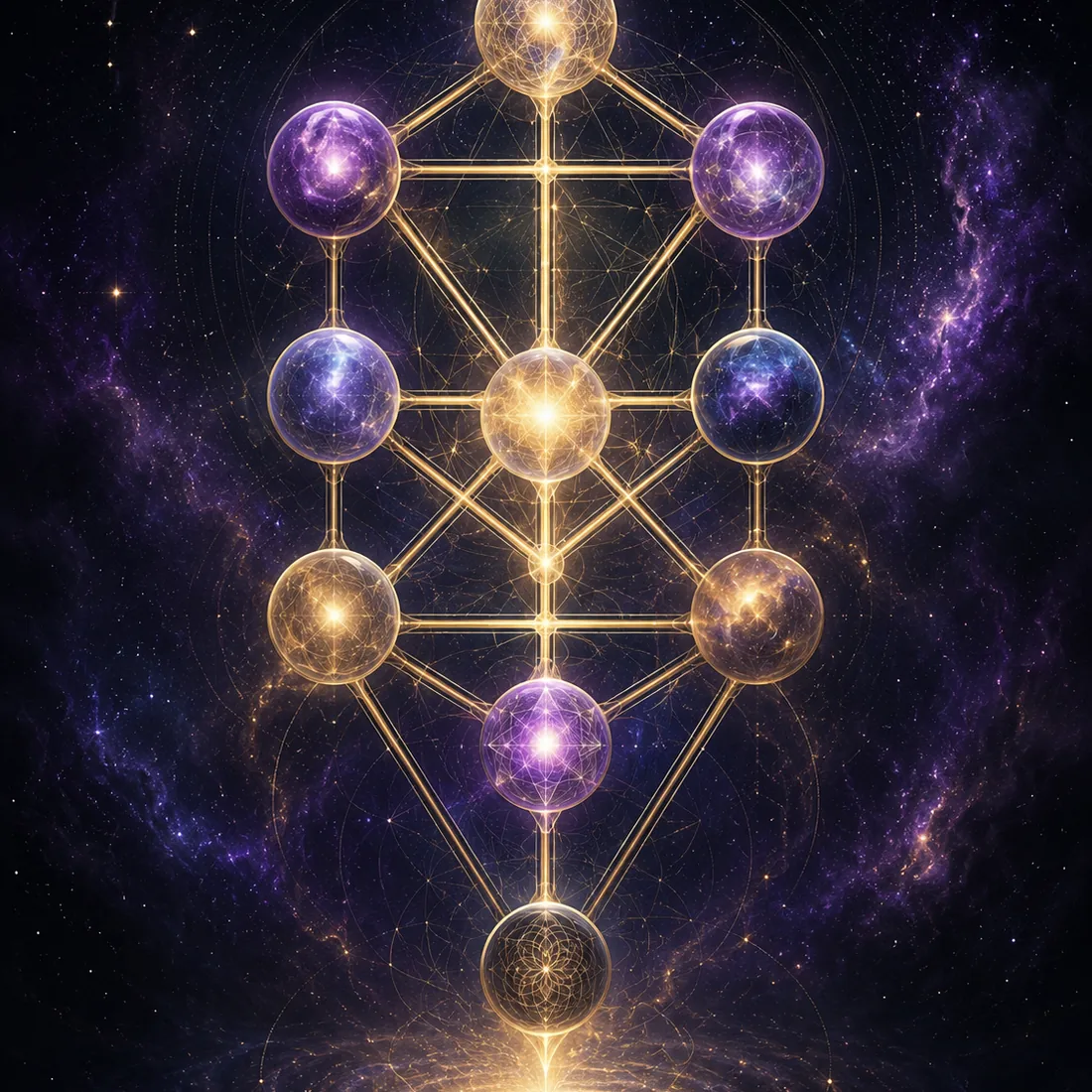
A luminous Tree of Life representing the five layers of the soul

The central teaching

The soul is not a tiny object hidden inside the body.

The soul is the enduring center of consciousness beneath the changing body, mind, memory, and personality. Embodied life gives that consciousness a particular position inside the Divine Dream: one body, one ancestry, one historical moment, one network of relationships, and one set of opportunities to love, create, choose, and repair.

The body matters because it gives spiritual intention material consequence. The mind matters because it interprets experience. Personality matters because it becomes the recognizable self through which a soul meets the world. Yet none of these alone exhausts what a person is.

The soul’s immortality is not a prize awarded to the ego. It follows from the soul’s divine root: what arises within the Infinite cannot be reduced to nothing when one temporary form becomes silent.

Four related forms of embodied experience

Do not confuse the soul with everything that gathers around it.

01

The body

The biological vessel through which consciousness touches this physical layer. It gives sensation, limitation, vulnerability, ancestry, location, and the ability to turn intention into material action.

02

The mind

The instrument of perception, memory, language, planning, emotion, and thought. It is shaped by the brain and changes through development, injury, illness, substances, relationships, and experience.

03

The personality

The recognizable interface formed through temperament, family, culture, wounds, habits, defenses, loves, fears, and choices. It is real, but it is not the whole traveler.

04

The soul

The deepest center that receives experience, forms character, carries spiritual development, and remains rooted within the greater consciousness of G-d.

A fragment of G-d

Unique without becoming separate.

To call the soul a fragment, spark, current, or tendril of G-d does not mean the Divine was accidentally broken into pieces. It means the Infinite expresses itself through countless limited centers of consciousness so reality can be experienced from within.

Every soul reveals a perspective no other soul can occupy in exactly the same way. Its history, perception, relationships, imagination, fears, loves, and choices create a genuinely distinct point of view.

Yet distinction is not absolute separation. A wave has a recognizable shape, direction, and lifespan, but it never stops being ocean. The soul possesses identity while remaining rooted in the consciousness from which it comes.

The divine root may be obscured, contradicted, or forgotten by how a person lives. It cannot be made worthless or severed from G-d.
A luminous soul ascending through layers of purple and gold cosmic light

The five layers of the soul

One consciousness extending from embodiment toward unity.

Jewish mystical traditions describe five dimensions of the soul. Dreamism uses them as a map of one living consciousness—not five separate souls stacked inside a person.

1

Nefesh

Vital life, embodiment, instinct, appetite, movement, sexuality, protection, and survival. Nefesh is the sacred vitality closest to the body and the power that allows consciousness to become active in matter.

2

Ruach

Emotion, moral character, courage, anger, compassion, restraint, and desire. Ruach is visibly shaped through ethics, Mussar, relationship, habit, accountability, and repair.

3

Neshamah

Understanding, conscience, spiritual awareness, and recognition of the Divine. It appears through prayer, study, moral clarity, grief, awe, and encounters with beauty that loosen the ordinary boundaries of self.

4

Chayah

The living connection beyond ordinary personality and into the greater field of life. Dreamism associates glimpses of it with mystical experience, lucid dreaming, deep meditation, sacred art, prophecy, and overwhelming love.

5

Yechidah

The root of unity that has never been separate from G-d. Yechidah cannot be destroyed by trauma or manufactured through spiritual achievement. It is already present beneath the noise, waiting for the rest of the soul to align with it.

The Dreamist map

The journey is larger than one lifetime.

Dreamism understands the soul as immortal and unfinished. Embodied life is not one isolated test followed by a static destination. It is part of a longer movement of formation, integration, service, return, and reunion.

1

Origin

The soul begins in divine consciousness as a distinct perspective within the greater Dream.

2

Embodiment

It enters body, ancestry, family, culture, limitation, desire, vulnerability, relationship, and material time.

3

Formation

Choice, love, courage, avoidance, harm, truth, discipline, creativity, and repair become part of what the soul is forming.

4

Death

Biological life ends and the physical senses can no longer carry consciousness through this particular form.

5

Integration

The life becomes visible more fully: its consequences, missed possibilities, genuine gifts, relationships, and spiritual meaning.

6

Continuation

The soul may rest, guide, reunite, undergo correction, reincarnate, await resurrection, or continue through realities present language only partly reaches.

7

Return

Separation yields toward deeper participation in G-d without requiring every mystery of personhood to disappear.

A golden cycle of death, renewal, and reincarnation within a cosmic landscape

Death and the intermediate state

The instrument becomes silent. The musician continues.

Dreamism teaches that death closes the physical senses and releases consciousness from the narrow range through which the nervous system focused it. The familiar personality may loosen as the soul encounters reality beyond embodiment.

A period of nearness may follow. A soul woven through decades of family, home, routine, objects, promises, and love may remain close enough for farewell, reassurance, witnessing, or adjustment. Dreams, scents, warmth, animals, songs, objects, and sensed presence may become part of the language through which continuing relationship is experienced.

The life may then be encountered as a whole. Outside ordinary sequence, the soul can perceive patterns, consequences, unrealized possibilities, courage, avoidance, love, harm, and repair more completely than the embodied ego permitted.

Nothing honestly understood is wasted. The life review gathers experience into the soul’s continuing development.

Gehinnom and the encounter with truth

Correction is not sadism. Justice is not endless revenge.

Dreamism rejects the image of a loving G-d creating souls under conditions of limited knowledge and then torturing them forever for misunderstanding the rules. Yet the soul may still face painful truth.

Gehinnom is understood as purification: the stripping away of excuses and the direct encounter with what one’s choices actually created in other lives.

Kindness from the receiver’s side

The soul may feel what generosity, patience, protection, truth, or courage made possible in another life.

Harm from the wounded side

The soul may experience fear, humiliation, grief, deprivation, or damage beyond what the ego allowed itself to recognize.

Revelation as purification

The life review contains its own heaven and its own fire. The soul is revealed to itself, and through revelation becomes capable of continuing.

Gilgul ha-neshamot

Reincarnation is development—not cosmic blame.

No single lifetime can contain every perspective or develop every capacity. Dreamism treats reincarnation as a natural extension of an immortal, unfinished soul.

Formation travels.

What the soul becomes through honesty, courage, love, cruelty, repair, discipline, relationship, and service may remain available beyond one personality.

Patterns may return for healing.

Unresolved attachments, fears, responsibilities, and imbalances may reappear because unfinished formation still requires attention.

Service can motivate return.

A soul may return not only because it lacks something, but because it chooses to assist other beings within the Dream.

Victims are never blamed.

War, disability, poverty, abuse, illness, and oppression are not evidence that a person earned suffering in another life. Dreamism teaches formation, not a divine criminal sentence.

Techiyat Ha-Metim

The repair of history must include the dead.

In Dreamism, resurrection is not merely a private reward for isolated individuals. It belongs to Tikkun Olam across time: the conviction that those who suffered before Zion will not be permanently excluded from reunion, recognition, justice, and restoration.

The mechanism may involve divine action, transformed embodiment, resurrection, future technology, recreation of consciousness, or realities no living person yet has language for.

The conviction beneath the images is simple: death will not be allowed to erase the soul, and history will not permanently deny reunion and repair.

Grief inside a world of continuing souls

Grief is love encountering absence.

Belief in the soul does not return a familiar voice to the next room. It does not place a body back at the table, restore a hand to ours, or recreate the ordinary routines through which love became visible.

The soul may continue. The relationship as we knew it still dies. That loss deserves to be felt. Dreamism does not use spiritual belief as an anesthetic or treat grief as a failure of faith.

The hope of reunion can accompany mourning. It does not replace mourning.

What these teachings require now

The veil is not an excuse to abandon the present.

We cannot map the entire journey from inside one human body. We can choose how to travel this part of it.

1

Build character that can survive exposure.

Practice honesty, courage, compassion, restraint, and accountability before a life review removes the excuses that protected the ego.

2

Repair while repair is still possible.

Apologize, return what was taken, protect the vulnerable, reconcile where safe, and change the structures that keep reproducing harm.

3

Do not reduce anyone to one visible lifetime.

Live as though every being carries sacred history, unfinished work, hidden wounds, and capacities you cannot see.

4

Let love outlive immediate reward.

An act may matter beyond what the giver witnesses. Love shapes souls, descendants, communities, institutions, and the person who performed it.

5

Take this moment seriously.

The soul’s journey may be endless, but this particular opportunity to act, protect, create, speak, and love will never return in exactly the same form.

Cover of Dreamism: A Guide to Modernized Mysticism

The complete journey of the soul

The book follows the soul beyond what one page can contain.

Dreamism: A Guide to Modernized Mysticism develops the soul’s divine origin, its five layers, embodiment, death, the intermediate state, grief, life review, Gehinnom, reincarnation, victim-blaming, resurrection, reunion, ancestry, and the long return toward the Source.

The wider philosophy connects this journey to the Divine Dream, consciousness, intention, magic, ethics, Babylon and Zion, future humanity, and Tikkun Olam.

Philosophy becomes practice

The next question is how to live before death arrives.

The Practice section turns Dreamist belief into rhythm through prayer, meditation, sacred time, ritual, disciplined intention, character formation, community, creativity, and Tikkun Olam.

Next section

Begin the Practice

Enter the lived path: how a Dreamist trains attention, aligns intention, creates sacred time, and carries mystical insight back into the world.

Continue →
Scroll to Top